Past experiences can keep shaping how you feel, react and relate to others today. Trauma therapy helps you process what happened and build resilience, connection and a sense of agency moving forward.
Approaches to trauma treatment
- EMDR (Eye Movement Desensitization and Reprocessing), an evidence-based treatment that helps process distressing memories so they hold less charge in the present
- Cognitive Processing Therapy (CPT), an evidence-based, structured, trauma-focused therapy, often about 12 sessions, that helps you examine the beliefs about a traumatic experience that keep you stuck
- Alongside these, some clinicians integrate Polyvagal Theory and somatic interventions, which work with the body's stress responses
- Psychodynamic-relational work exploring how past experiences shape current relationships
Trauma clinicians in the collective
Dr. Laura Kimbell specializes in childhood and adult trauma. She completed specialized training at the UCSF Child Trauma Research Program and co-founded the trauma recovery program at Kaiser Oakland. Dr. Raquel Henry works with PTSD, addiction and experiences of social injustice and oppression. Dr. Emma McCulloch integrates EMDR into her work with adolescents and adults.
Going at your pace
Trauma work starts with safety and preparation. Your therapist will make sure you have ways to steady yourself during and between sessions, and you decide what to share and when.
Clinicians who offer trauma therapy
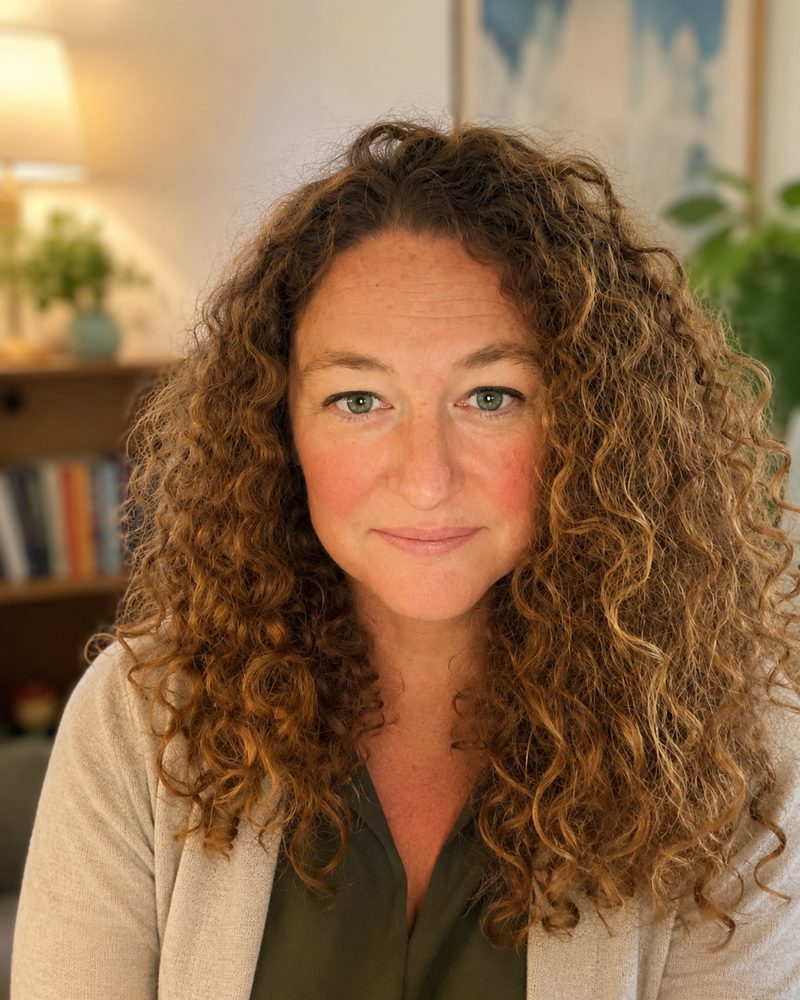
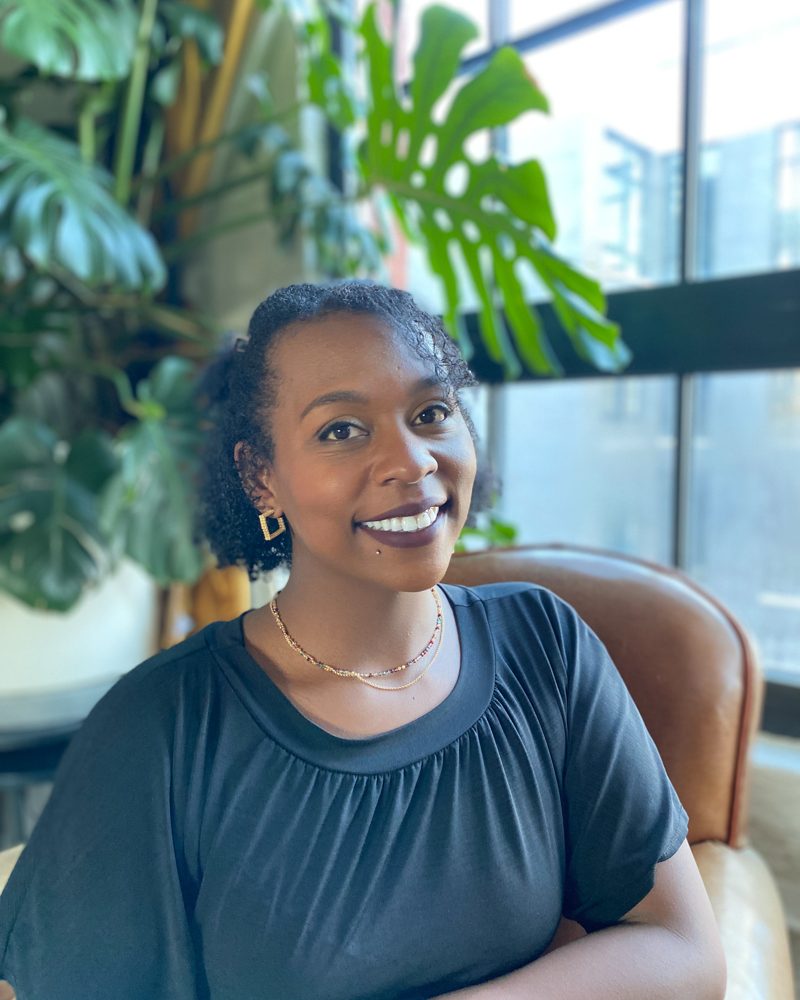
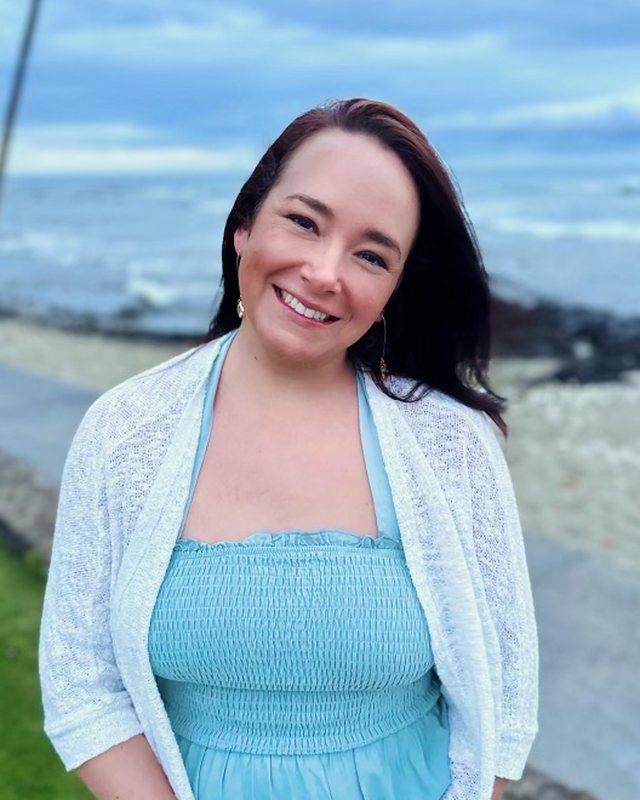
Where we offer trauma therapy
In person
- Trauma therapy in Berkeley
- Trauma therapy in the East Bay
- Trauma therapy in Marin
- Trauma therapy in Sonoma
Online
San Francisco residents can meet online or in person in the East Bay or Marin; in-person sessions in San Francisco are coming soon.
Related reading
Questions about trauma therapy
What is EMDR?
EMDR is a structured trauma therapy in which you briefly focus on a distressing memory while doing bilateral stimulation, such as eye movements or tapping. Research shows it can reduce PTSD symptoms, so memories feel less overwhelming; researchers are still studying exactly how it works.
Do I have to talk about every detail of my trauma?
No. Approaches like EMDR don't require detailed retelling, and you set the pace.
Where is trauma therapy offered?
In person in Berkeley (Dr. Kimbell) and Marin (Dr. Henry), outdoors in Sonoma (Dr. McCulloch), and online in California and New York.
Schedule your free consultation
Book in real time with any available clinician in the collective.